Sports injuries can affect professional athletes as well as people who participate in recreational activities, fitness and regular physical exercise.
An injury may involve the knee, ligament, meniscus, muscle, tendon or other structures. Early evaluation can help understand the nature and severity of the injury and guide an appropriate treatment pathway.
Dr. Anurag Agarwal provides evaluation for sports-related knee, ligament and joint injuries in Prayagraj.
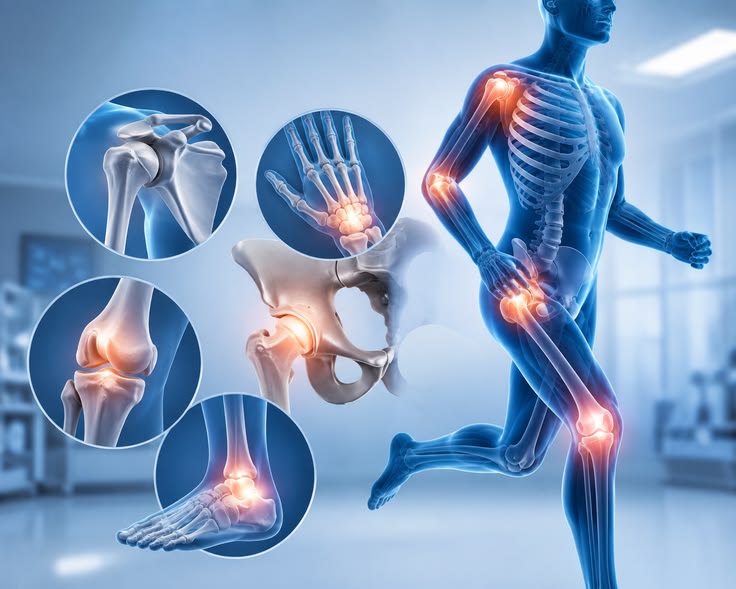
Sports injuries are injuries that occur during sports, exercise, physical activity or recreational activities.
They may happen because of:
Diagnosis depends on the patient’s symptoms and suspected condition.
An orthopaedic evaluation may include:
The doctor discusses your symptoms, previous injuries, duration of pain, activity level and relevant medical history.
The affected joint or body part may be examined for pain, swelling, movement, stability and functional limitations.
Depending on the clinical situation, appropriate imaging or other investigations may be recommended.
The findings are assessed to understand the condition and discuss suitable treatment options.
Evaluation may include:
Understanding how the injury happened and what symptoms developed afterward.
Assessment of pain, movement, stability and function.
Imaging may be recommended when clinically required.
The appropriate treatment is selected according to the individual’s injury and clinical condition
The appropriate response depends on the nature and severity of the injury.
If significant pain, swelling, instability or difficulty walking develops after an injury, an appropriate medical evaluation can help determine whether further investigation or treatment is required.
Avoid returning to demanding physical activity until you have appropriate guidance for your condition.
A sports injury may cause:

Patients seeking orthopaedic care can benefit from:
Consider an evaluation if an injury causes significant pain, swelling, instability, restricted movement or difficulty walking.
Common sports-related problems can include ACL injuries, ligament injuries, meniscus injuries, knee injuries and muscle or tendon-related injuries
Some injuries can be managed without surgery, while others may require surgical treatment. The decision depends on the nature and severity of the injury.
An ACL injury affects the anterior cruciate ligament, an important structure involved in knee stability.
Symptoms can include knee pain, swelling, instability, difficulty walking and a feeling that the knee may give way.
A meniscus injury involves damage to one of the cushioning structures inside the knee and may cause pain, swelling or restricted movement.
Rehabilitation may be an important part of recovery depending on the injury and treatment.
Returning to sports should depend on the injury, recovery and medical guidance rather than symptoms alone.
The consultation generally involves discussing symptoms and medical history, performing a physical examination and, when required, reviewing or recommending appropriate investigations before developing a treatment plan.
Dr. Anurag Agrawal, Devpad Healthcare — International Fellowship Trained, Advanced Hip & Knee Replacement Surgeon at a leading Orthopaedic Hospital in Prayagraj, providing advanced hip and knee replacement treatment and comprehensive orthopaedic care with a focus on patient outcomes.

